


Spotlight on Kaleidoscope Llandrindod
By Karen Greenough

A Warm Welcome at Kaleidoscope Llandrindod
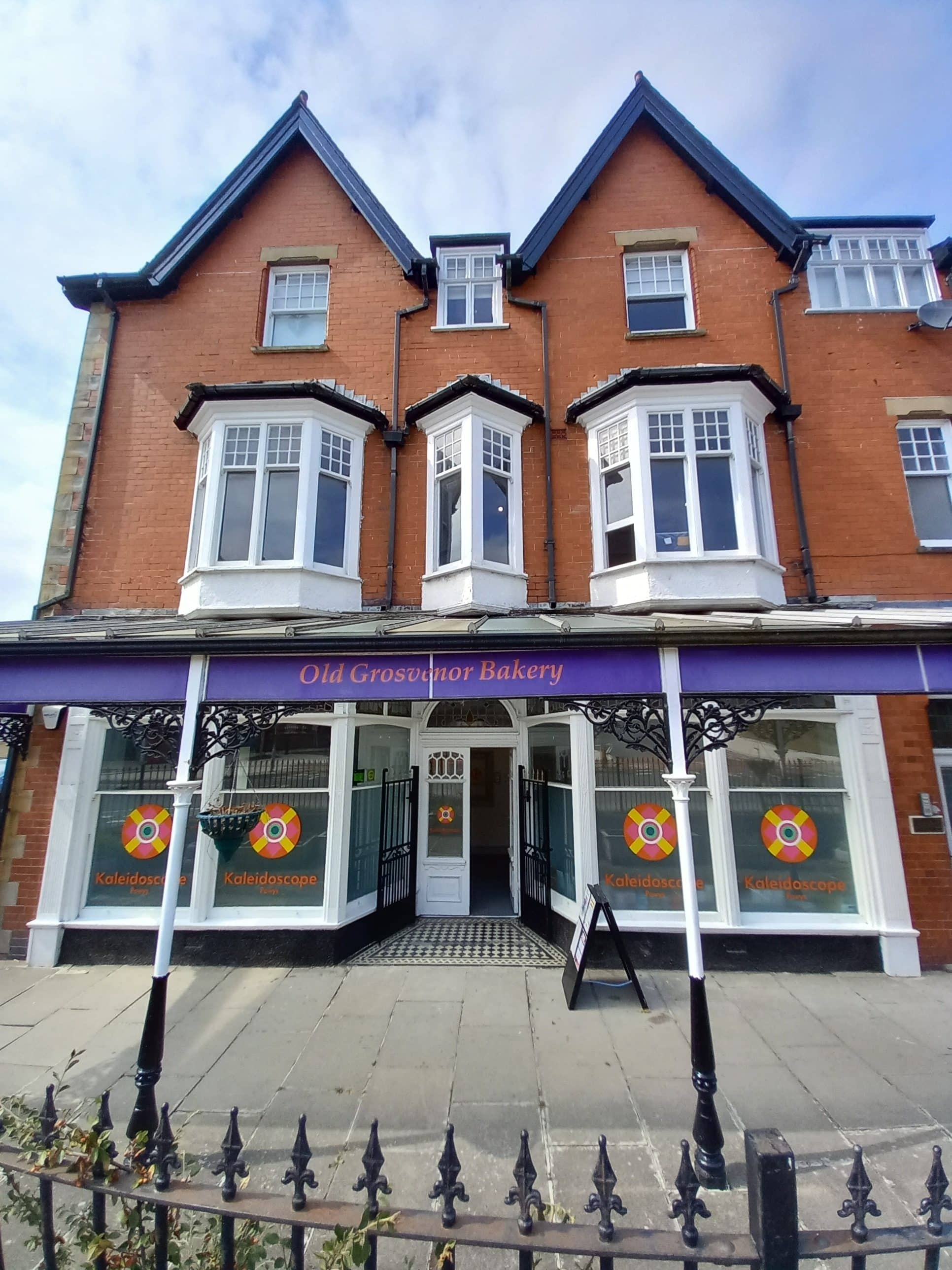
In the Ridgebourne area of Llandrindod Wells stands the Old Bakery building, home since around 2013 to Kaleidoscope.
When the service first opened its doors, there were understandable concerns from some local residents. Questions were raised, and fears expressed about what it might mean for the area. Fast forward to today, and Kaleidoscope simply gets on quietly with the vital work of supporting people who are struggling with alcohol or drug use.
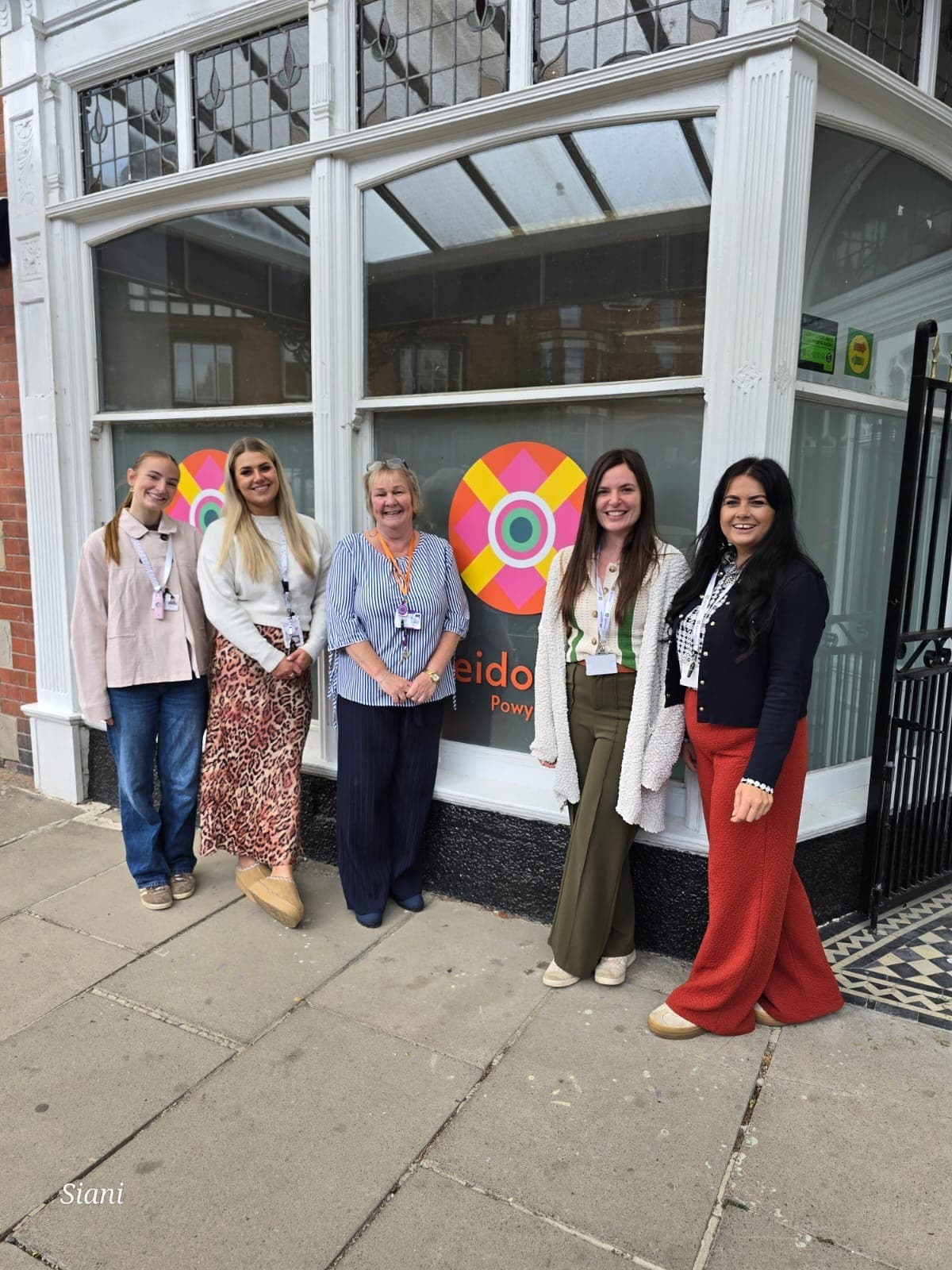
I visited the team on a Monday morning to find out more.
The first thing I noticed? The warmth. Sitting together upstairs with mugs of tea in hand, the atmosphere felt relaxed and welcoming. It’s the kind of place where you immediately sense that people care, not just professionally, but personally.
A Long History of Support
Kaleidoscope’s story began back in 1968 in London. Since then, the organisation has grown significantly, with services now primarily based across Wales and the Wirral. One of their key facilities is Birchwood, a 25-bed residential unit in the Wirral offering detox and rehabilitation for drug and alcohol dependency.
But while residential treatment plays an important role, much of the work in Llandrindod happens right here in the community.
Currently, around 100 service users are being supported in Llandrindod and the surrounding rural areas. And that rural setting presents its own challenges, particularly when it comes to transport. To address this, Kaleidoscope runs an outreach service, ensuring that people who cannot easily travel to appointments are still able to access support.
Breaking the Stigma
Much of our conversation centred on stigma and the persistent stereotypes around substance use.
There’s still a common misconception that people with alcohol or drug dependencies “look” a certain way. The outdated image of someone drinking vodka from a brown paper bag on a park bench is often the first thing that comes to mind.
But the reality is very different. Dependency can affect anyone.
It might be the older man living alone, quietly drinking a bottle of wine every evening to cope with loneliness. It could be the young mother who was prescribed medication for postnatal depression and finds herself still relying on it years later. It might be someone in full-time employment, someone retired, or someone studying. Substance use doesn’t discriminate.
For many people, the hardest step isn’t stopping it’s acknowledging there may be a problem at all. Feelings of shame and embarrassment can be incredibly powerful barriers. But having met the team, I can say this with confidence: you will not be judged here. There is no moralising, no shaming, just support.
Education and Harm Reduction
Kaleidoscope’s approach is rooted in both education and harm reduction.
In the foyer, there is a wide range of clear, accessible information about different substances — how they are used, their effects, and the potential risks. The aim is simple: to help people make informed decisions about their health.
One substance we discussed in particular was ketamine, which has become an increasing concern across the UK. During the COVID-19 pandemic, ketamine use rose significantly. Now, services are seeing the long-term consequences emerging, including a serious and sometimes irreversible condition known as “ketamine bladder,” which can cause severe damage to the urinary system.
This is why education matters.
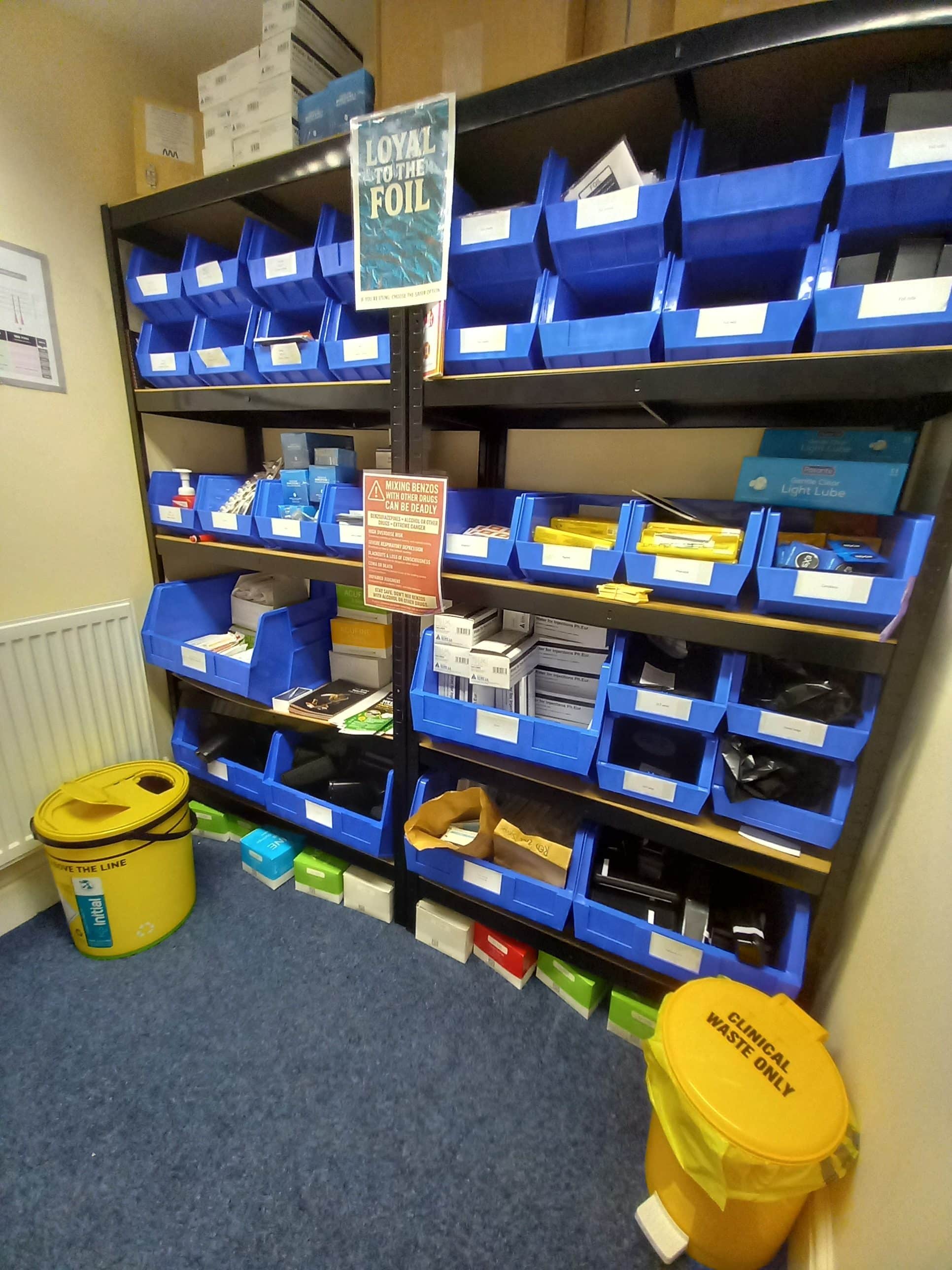
But Kaleidoscope also recognises that stopping substance use isn’t everyone’s immediate goal. For some, the first step is simply reducing harm and staying safer. That’s why the service provides:
- Needle and Syringe Provision (NSP)
- Naloxone kits and training (a medication that can reverse opioid overdoses)
- Blood borne virus testing
- STI home testing kits
- WEDINOS drug sampling
- Condoms and safer sex supplies
The message is clear: whether you want to stop, cut down, or just stay safer, you are welcome.
The Mental Health Connection
Substance use and mental health are closely linked. One member of the team described it as a “chicken and egg” situation.
For some people, poor mental health leads to substance use — a way to cope with anxiety, trauma, depression, or isolation. For others, substance misuse contributes to the development of mental health problems.
Often, it’s both.
Kaleidoscope Llandrindod shares its building with Cyfle Cymru, which supports people with substance misuse and/or mental health conditions into work, education or training. There’s also Anew, a community art project that runs on Tuesday afternoons and is open to service users and others. These partnerships reflect a holistic approach — recognising that recovery isn’t just about substances; it’s about rebuilding confidence, purpose and connection.
How to Access Support
If you’re worried about your own alcohol or drug use, accessing support is straightforward.
You can self-refer. You can drop in. You can be referred by your GP, social services or PAVO but importantly, your consent is always required. The service is voluntary and centred around what you want.
There is no pressure. Just a conversation.
Local Contact Details
If you’d like to reach out, you can contact:
Llandrindod Wells
Grosvenor Rd, LD1 5NA
01597 825 102
Welshpool
2 Severn Street, SY21 7AB
01938 555 922
Newtown
Severn House, Severn Square, SY16 2AG
01686 610 422
Brecon
9 Castle St, LD3 9DD
01874 622 333
Walking away from the Old Bakery building, what stayed with me most was the atmosphere. Kindness. Respect. Practical help without judgement.
Kaleidoscope may once have been a cause for concern to some. Today, it is simply part of the community, quietly making a difference, one conversation at a time.